
For a Dagenham home, installation feasibility often turns on narrow plots, shared boundaries, visible front elevations and the route between bedrooms and an outdoor unit. Check Barking and Dagenham planning requirements, title or tenancy restrictions and noise before accepting a quotation. Local AC Installers can connect you with local companies covering Dagenham so you can request quotes and arrange surveys.
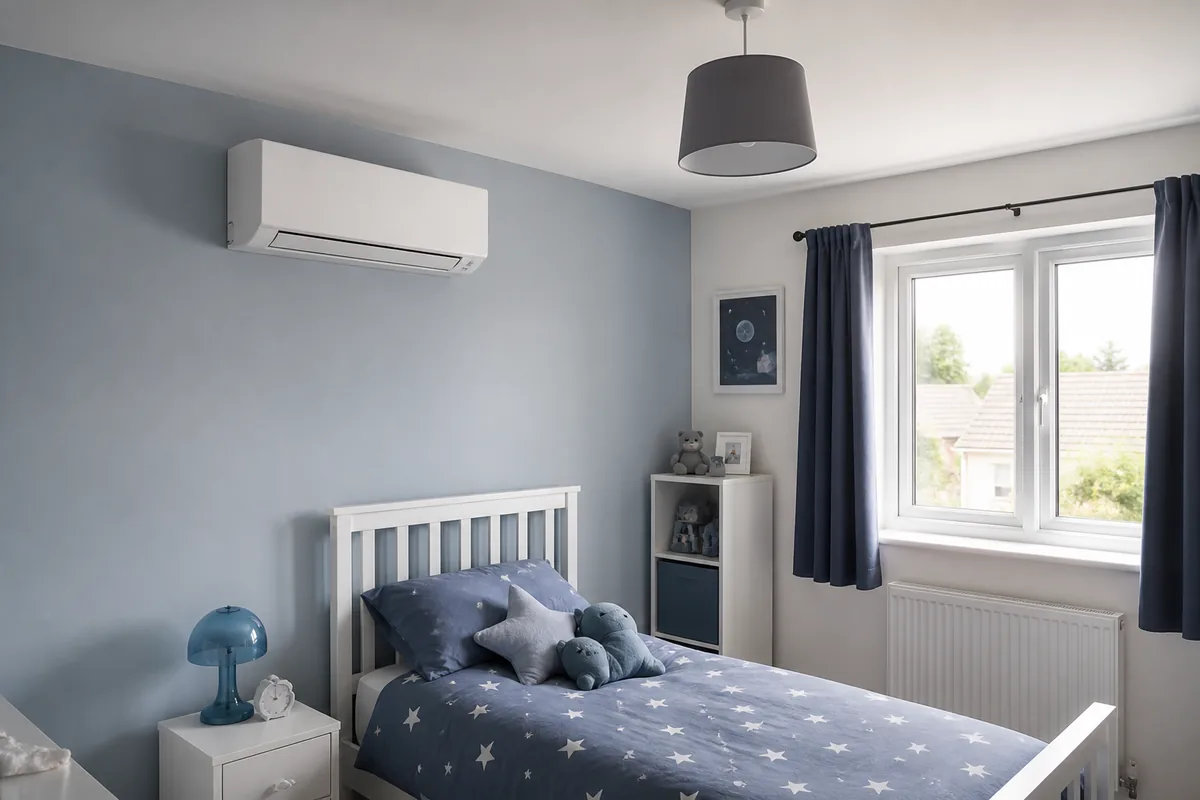
Plan around the house and plot
Terraced and semi-detached layouts can leave few outdoor positions that are both discreet and well separated from neighbours. Side passages may be narrow, and rear additions can lengthen pipe routes from upstairs bedrooms. A survey should draw the complete route rather than marking only the indoor and outdoor unit positions.
Loft rooms need specific heat-load calculations because roof and solar gains can dominate. Before adding cooling, review roof shading, blinds, ventilation and insulation details. Insulation can reduce daytime gains, but an overheated space still needs a safe way to release stored heat.
External units in close surroundings
A condenser needs unobstructed airflow and maintenance clearance. Hiding it in a boxed side return or beneath a low deck can cause recirculation, increase noise and shorten equipment life. Wall brackets also transmit vibration if selected or installed poorly.
Measure impact at neighbouring bedroom windows and gardens, including likely night operation. The sound character and cycling pattern matter as well as a headline decibel figure. A ground-mounted unit on suitable anti-vibration supports may sometimes be preferable to a party-wall installation.
- Keep discharge air away from doors, windows and seating areas.
- Avoid draining condensate onto paths or neighbouring land.
- Retain enough room to clean coils and remove components.
Planning, tenancy and estate controls
The London Borough of Barking and Dagenham is the planning authority. External equipment may require an application depending on the building and proposal. Prominent elevations, flats, conservation considerations and previously imposed conditions deserve early checks.
Council or housing-association tenants need landlord approval, while leaseholders should inspect alteration clauses and common-part boundaries. Planning consent does not replace landlord, freeholder or covenant consent.
Access and installation day
Ask how installers will reach upper walls and whether scaffolding, a tower or access through a neighbour's land is proposed. Do not treat temporary access as guaranteed. Parking controls and safe material handling should be addressed in advance without blocking pavements.
The quotation should state making-good, fire-stopping where relevant, electrical protection, condensate disposal, commissioning and waste removal. Confirm F-gas certification for refrigerant work and retain the final equipment and warranty records.
Frequently asked questions
Can an outdoor unit be fixed to a party wall in Dagenham?
It may be physically possible, but vibration, ownership, access and neighbour impact require careful review. The Party Wall etc. Act may also need professional consideration depending on the work.
Who handles planning in Dagenham?
The London Borough of Barking and Dagenham. Its planning service should be consulted for the specific address and proposal.
Can condensate drain into a rear garden?
Only through a deliberate, safe arrangement that does not create damp, algae, slippery paving or a nuisance. The installer should explain and document the route.
Core buying guides
Start with these high-intent guides, then dig into the rest of the library.
Related guides
Sources and further reading
How this guide was prepared
This guide was written by the Local AC Installers Editorial Team. We compare official guidance, legislation and established consumer information, separate general information from project-specific advice, and show publication dates and sources. We do not accept installer accreditation claims at face value.