
A flat roof can carry an outdoor unit only if the structure can take the weight and the wind load, the fixings do not become leaks, and an engineer can reach the unit safely for the life of the system. A condenser stood on paving slabs on felt is not that design. Use a proper frame or non-penetrating plant stand as the roof designer allows, keep it out of the worst edge winds where you can, and check planning. Maintenance access is part of the install, not a later favour.
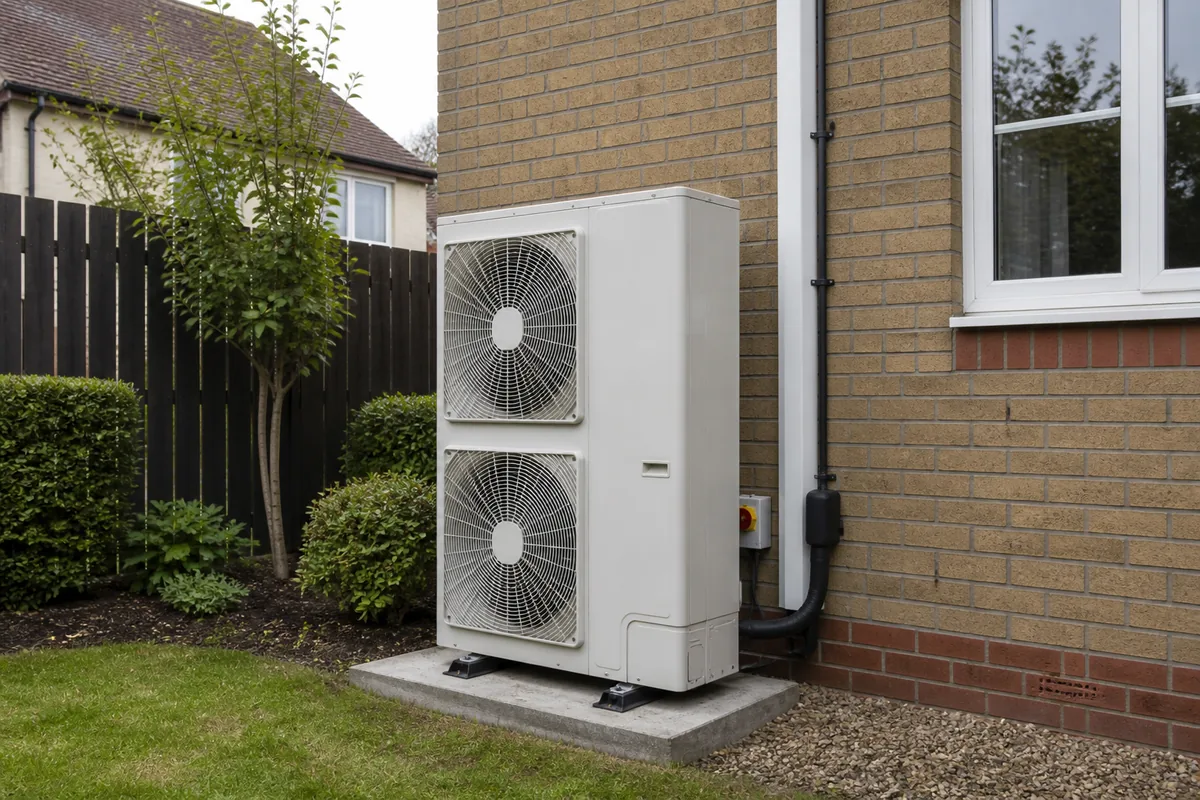
Weight is the easy number on a flat roof
The unit's weight is the easy number. Wind uplift and edge effects on a flat roof are the ones that move plant. A structural check, even a short one from someone responsible for the roof, should confirm the deck, the joists or the concrete can take the frame. Lightweight domestic flat roofs over extensions are the ones that look strong and are not.
Wind, outlets and a gap around the coil
Edge zones are windier than the middle of a domestic flat roof.
- Get a structure decision before the unit is ordered.
- Design for wind, not only for static weight.
- Keep service clearances around the chassis.
- Do not block roof drainage or outlets.
Bolts, pads and who warrants the membrane
Every bolt through a membrane is a future leak into the room below. Prefer a frame that lands on pads or a detail the roofing contractor will warrant. If the membrane must be penetrated, the roofer should weather it, not the air conditioning installer with a tube of sealant. The roofing detail should be done by whoever warrants the membrane. Sealant around random bolts is how ceilings stain.
Pipes leaving the roof need an upstand or a proper collar. A hole at deck level will take rain before it takes refrigerant lines. Condensate should discharge to a rainwater outlet you can identify, not across the roof to a random drip. Moving the unit inboard, with a screen that does not choke the coil, can be calmer. Any screen needs the manufacturer's airflow gaps or the unit will cut out on hot days.
A hatch, a route and a person with gauges
Annual service, and any F-gas check the charge requires, means a person, gauges and a clear route. A domestic loft ladder onto an unprotected roof is not a maintenance plan. Edge protection, a hatch big enough for the kit, and a path that does not chew the membrane belong in the quote. You need safe access for the life of the unit. If that does not exist, pick a wall or a ground stand.
Visibility, noise and plant over 12 kW
In England, Planning Portal conditions for air source heat pumps cover many house installations, and a roof can fail them on visibility, distance or noise. Flats and commercial roofs need their own consent path. Sound travels down light wells and across to bedroom windows opposite. Larger commercial condensers and VRF on roofs can push the system over 12 kW effective rated output, which brings GOV.UK air conditioning inspections into the ownership plan. F-gas certification applies to the commissioning either way.
When the flat roof is the wrong place
Loose slabs on felt are not a design. Stand a condenser on slabs only if the roof structure, wind load and waterproofing have been designed for that stand. If the only access is across a neighbour's roof or a fragile lantern, choose another wall or a ground stand. A cheap roof location that nobody can service becomes a dead unit. A condenser stood on paving slabs on felt fails the job before the first summer.
Core buying guides
Start with these high-intent guides, then dig into the rest of the library.
Related guides
Sources and further reading
How this guide was prepared
This guide was written by the Local AC Installers Editorial Team. We compare official guidance, legislation and established consumer information, separate general information from project-specific advice, and show publication dates and sources. We do not accept installer accreditation claims at face value.