
If the developer, the transfer, or the estate covenant says no outdoor unit, do not install one and argue later. The restriction is the decision. Ask for written consent or a variation before any equipment is ordered. A through-wall unit or a disguise is not a loophole unless the wording allows it. Planning Portal conditions in England can apply as well as the covenant. When, and only when, there is a lawful place for plant, use an F-gas certified company.
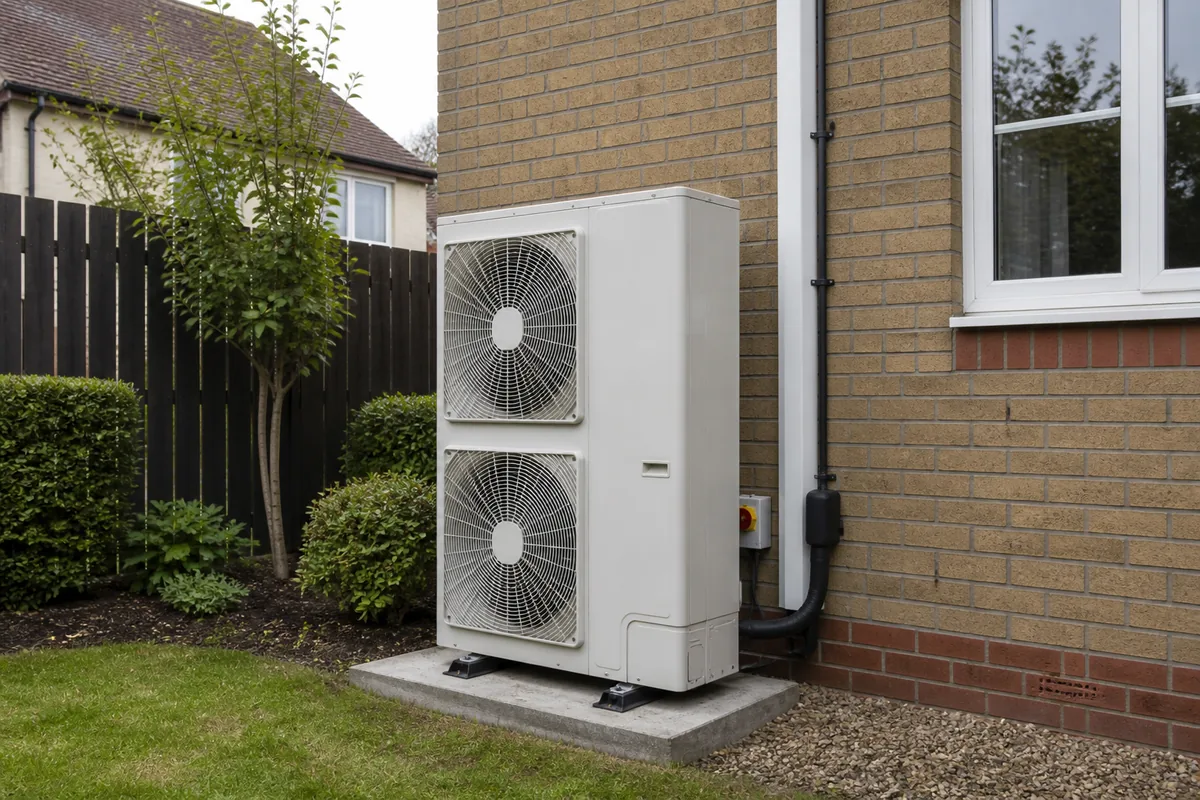
A condenser fitted in year one against the transfer
Bans show up in the transfer, a deed of covenant, estate regulations, or a planning condition on the development. They may say no external plant, no air conditioning, no alterations to the facade, or consent required. Those are different sentences. Copy the sentence. A sales office conversation is weaker than the document. Snagging and the new-build warranty do not override that wording. A unit fitted in the first year can become your problem and a problem for the cover on the wall you cut.
The sentence you actually signed
Quote the restriction in writing before anyone prices a bracket.
- Quote the restriction in writing.
- Do not fit plant and hope for forgiveness.
- Ask the developer or management company for written consent.
- A disguised outdoor unit is still an outdoor unit.
A through-wall unit and a hose in the window
A monobloc through the wall still makes noise and still makes a hole in the facade. If the covenant forbids external alterations or plant, it is likely forbidden too. Portable units with a hose are noisy and they do not need a condenser on a bracket, and they are a poor substitute, not a consent. Do not offer them as a way round a ban. A portable has no external condenser, and it is a noisy compromise. It is not a way to ignore a ban on alterations if you still cut the window or the wall. Read the wording.
Permitted development under a stricter covenant
Sometimes the developer will allow a rear position that cannot be seen from the estate road, or a specific screen. Get that in writing, with the wall named. Verbal permission from a site manager leaves you exposed when the estate transfers to a management company. A covenant can be stricter than permitted development. Satisfying the Planning Portal conditions in England does not cancel the developer's ban. Failing those conditions means you may need planning permission as well as the developer's consent. You may need both. Listed buildings and conservation areas add another consent. Permitted development does not beat the developer.
Stop until a named wall is allowed in writing
Only after both are clear should anyone survey pipe routes and quote a split. F-gas certification is the install standard for that later step. Energy Saving Trust can explain air-to-air heating. It cannot vary a covenant. A ban on outdoor units is not waived by hiding the unit. Get the restriction varied in writing, or do not fit it. Do not fit a small unit where it will not be noticed.
Frequently asked questions
Can I fit a small unit where it will not be noticed?
No. A ban on outdoor units is not waived by hiding the unit. Get the restriction varied in writing, or do not fit it.
Does permitted development beat the developer?
No. A covenant can be stricter than the Planning Portal allowances. You may need both. Read the wording you signed.
Core buying guides
Start with these high-intent guides, then dig into the rest of the library.
Related guides
Sources and further reading
How this guide was prepared
This guide was written by the Local AC Installers Editorial Team. We compare official guidance, legislation and established consumer information, separate general information from project-specific advice, and show publication dates and sources. We do not accept installer accreditation claims at face value.