
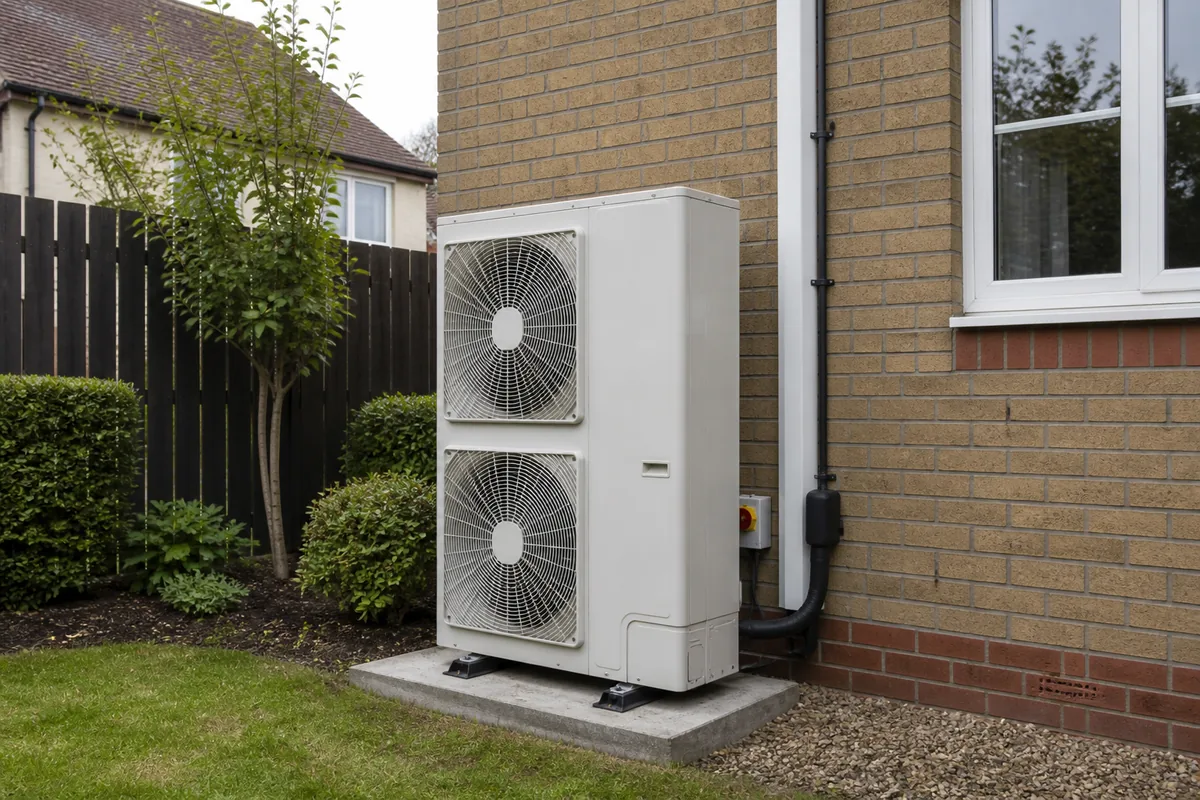
Most modern 'air conditioning' splits offered to UK homes are reversible air-to-air heat pumps. That is often a strength: one system can cool in summer and heat in shoulder seasons. It becomes a trap when marketing implies cooling-only simplicity while planning rules, winter heat-loss design and running-cost expectations still follow heat-pump realities. Buyers should ask whether the proposal is cooling-led, heating-led or genuinely dual-purpose, then check the legal and performance consequences of that choice.
Language that blurs the product
Sales pages say air conditioning because that is the summer problem people search for. Technical sheets say air-to-air heat pump because that is what the equipment is. Both can be true. Confusion starts when a cooling-only mental model is used to judge a reversible machine, or when a reversible machine is assumed to satisfy every planning shortcut automatically.
In England, the Class G permitted development discussion for air source heat pumps includes conditions that a cooling-only unit does not meet. A reversible unit still has to satisfy every other limit. The label on the brochure does not finish the legal analysis.
Winter performance is not free
If the system will heat, room heat loss matters as much as summer heat gain. An oversized cooling selection that short-cycles in mild weather can feel harsh in heating mode too. Seasonal efficiency figures need reading against real setpoints and fabric quality.
Electricity unit rates remain the running-cost driver. Heat-pump efficiency helps, but it does not erase tariff and usage effects. A dual-purpose system used all year will create more operating hours than a summer-only cooler.
- Ask whether heating is in scope before comparing models.
- Request output at relevant outdoor winter conditions if heating matters.
- Do not treat SEER marketing alone as a bill forecast.
- Confirm planning advice against the actual equipment mode.
What a clear proposal states
A good quote names the operating modes included, the rooms served in each season, controls strategy, and whether the outdoor unit position was chosen for summer noise, winter defrost drainage, or both. It also states F-gas competence for the installing business.
Buyers comparing a cooling-only option with a reversible option should not only look at capital cost. They should look at permissions pathway, winter usefulness and maintenance hours.
A cleaner way to brief installers
Write the brief as outcomes: rooms that must sleep cool in heatwaves; rooms that need winter top-up heat; rooms that are summer-only. Then ask each installer to map equipment to that brief. Ambiguous briefs produce ambiguous quotes.
Use independent consumer-energy guidance to understand heat-pump behaviour, then verify the specific model data sheet. Category marketing is not a substitute for duty tables.
Frequently asked questions
Is a reversible unit always better?
Often useful, not always necessary. If heating will never be used and planning treatment differs, a cooling-led design may still be appropriate after advice.
Will a heat pump cut my bills automatically?
Efficiency can reduce electricity per unit of heat or cool delivered, but hours of use, tariffs and setpoints decide the bill.
Does calling it air conditioning avoid heat-pump rules?
No. Legal and product definitions follow the equipment and how it is used, not the homepage headline.
Core buying guides
Start with these high-intent guides, then dig into the rest of the library.
Related guides
Sources and further reading
How this guide was prepared
This guide was written by the Local AC Installers Editorial Team. We compare official guidance, legislation and established consumer information, separate general information from project-specific advice, and show publication dates and sources. We do not accept installer accreditation claims at face value.