
Yes, most modern split air conditioners sold for UK homes can heat as well as cool, because they are reversible air-to-air heat pumps. In heating mode the outdoor unit gathers heat from outside air, even on cold days, and the indoor unit blows that warmth into the room. That is excellent for a living room, a loft office or a single cold bedroom. It is not automatically a whole-house replacement for a gas boiler, radiators and hot water. Frost on the outdoor coil in winter is normal and the machine will defrost itself. Siting, planning noise rules and honest expectations about what one or two indoor heads can cover matter more than the marketing word heat.
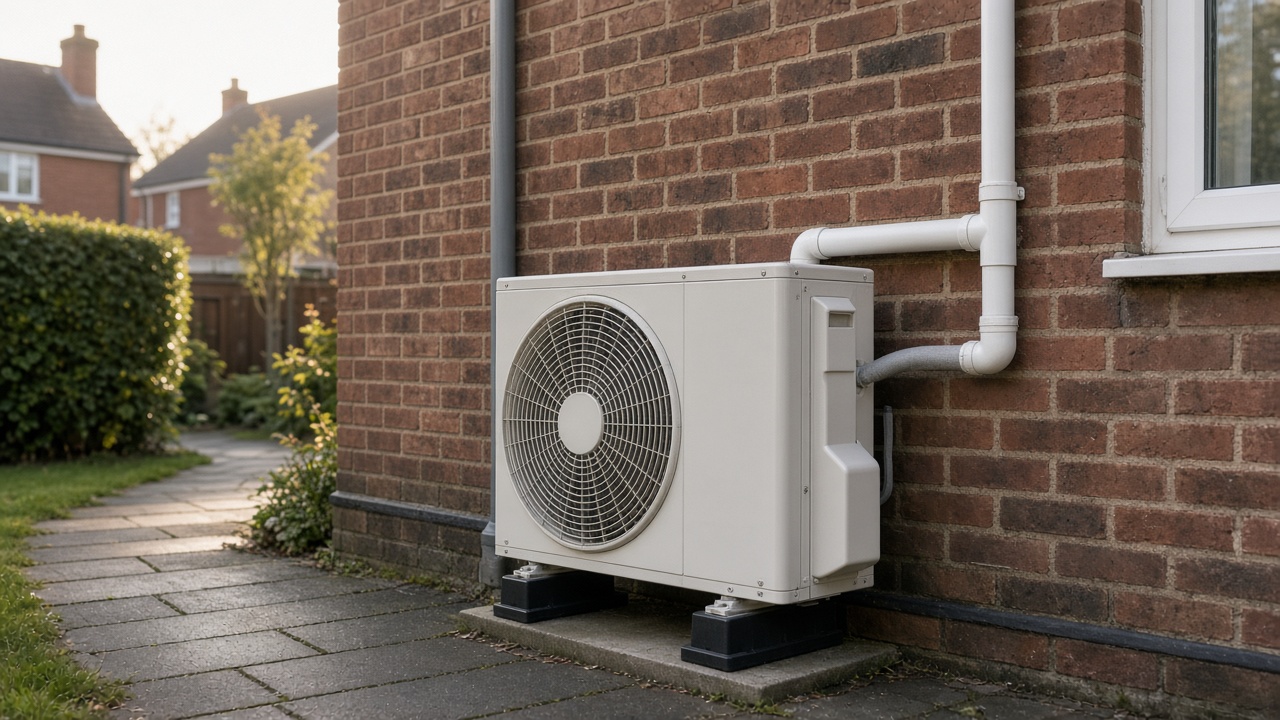
Reversible splits are heat pumps with a remote
A wall split has an indoor fan coil and an outdoor compressor linked by refrigerant pipe. In summer the indoor unit absorbs heat from the room and dumps it outside. Reverse the refrigeration cycle and the outdoor coil absorbs heat from the outdoor air, then the indoor unit releases that heat into the room. Energy Saving Trust describes these systems as air-to-air heat pumps when they provide heating. The box on the wall may still say air conditioning. The physics is the heat pump cycle either way.
Efficiency is why people like heating mode. Moving heat usually uses less electrical energy than making the same heat with a simple resistance heater. On a mild autumn evening a good split can warm a room quickly and cheaply compared with plugging in an oil-filled radiator. As outdoor temperatures fall, the unit works harder and the useful heat per unit of electricity drops. It still often beats bare resistance heating. It does not magic unlimited warmth from a freezing night with a tiny outdoor unit buried in a hedge.
Multi-splits serve more than one indoor head from one outdoor unit. That helps if you want heat in two or three priority rooms. It still leaves halls, bathrooms and remote bedrooms to whatever other system you have. Count rooms, not brochure adjectives, when someone says the air conditioning will heat the house.
When heating mode genuinely helps a UK home
Heating mode shines in rooms that are awkward for central heating: a converted loft that never got a radiator upgrade, a garden office linked by a long cold corridor, a south-facing lounge that overheats in July and feels slow to warm in November. One well-placed indoor unit can make those spaces usable without ripping out floors for new pipework.
It also helps as a shoulder-season tool. In October and April many boilers short-cycle or households hesitate to turn the whole system on for one chilly evening. A split can take the edge off the main living space while the rest of the house stays on a setback. That is comfort control, not a declaration that radiators are obsolete.
Homes with heat pumps already planned for hot water and radiators sometimes still add a duct-free split for a hot room in summer. Using that same head in winter for a top-up is sensible if the system is designed for it. Do not assume every cooling-only promotional unit can heat. Check the datasheet for a heating capacity table and a stated operating range in degrees Celsius outdoors.
People working from home in one room all day often get the best bill story. Warm the occupied room with the split and keep the seldom-used guest room cooler. Whole-house setpoints that chase empty rooms waste money whether the heat comes from gas or from a heat pump.
The outdoor unit in frost, rain and leaf season
In heating mode the outdoor coil runs cold relative to the moisture in the air. Ice can form on it. The unit then pauses heating, runs a defrost cycle, steams a little, and returns to warming the room. That pause can feel worrying the first time the indoor fan goes quiet on a frosty morning. It is normal behaviour, not a breakdown, as long as defrosts are occasional and heat returns.
Give the outdoor unit air and meltwater space. A bracket too tight under a dripping gutter, a solid fence hard against the coil, or a deck that traps slush will shorten the useful life of heating mode. Keep leaves and freezer bags of storage junk off the top grille. The machine needs to breathe to take heat from outdoor air.
Very low outdoor temperatures cut capacity. Manufacturers publish operating limits. If your coldest nights sit near that limit, size and model choice matter. A unit that cools a room beautifully in August can feel underpowered in a Yorkshire cold snap if it was never selected against a heating load calculation. Ask for the heating output at a realistic outdoor temperature for your postcode, not only the peak cooling figure.
Noise changes with mode and with defrost. Neighbours hear the outdoor fan more on still winter nights. Planning Portal guidance for air source heat pumps in England sets out permitted development conditions that include noise and siting limits for many householder cases. Class G style householder rights and the detailed MCS Planning Standard noise rules are easy to get wrong on a sketch. Treat planning as a live check for your elevation and boundary distances, not a footnote after the bracket is drilled.
Not a full gas boiler replacement
A boiler does two big domestic jobs in most UK houses: space heating through a distributed emitter system, and domestic hot water. A reversible split does room air heating in the zones you fit. It does not heat the bath. It does not warm towel rails unless you add something else. Turning off the gas supply because the lounge split feels toasty is how people end up with cold showers and icy back bedrooms.
Emitter type differs too. Radiators and underfloor systems deliver heat to surfaces and air across a house layout that was designed around them. A high wall unit throws a plume of warm air. Sit out of the draught and the room can stratify, with warm air near the ceiling. Good vane settings and a sensible setpoint help. They do not turn one head into four radiators on two floors.
Fabric first still applies. A leaky sash bay will drink heat from a split just as it drinks heat from a radiator. Draught proofing and curtains used at night help any heat source. External shading products are a summer story. Heating mode is a winter story. Do not expect the condenser alone to fix a house that cannot hold heat.
If your goal is to leave gas, plan a whole-home path: insulation, hot water strategy, heat emitters, electrical supply and controls. Air-to-air can be part of that path for some dwellings, especially flats and open-plan spaces where water-based emitters are awkward. Energy Saving Trust material is a better starting map than a single product page that shows a smiling family beside one indoor unit.
Controls, setpoints and habits that waste the advantage
Cranking the remote to 30 deg C does not heat a room faster in any useful sense. It mostly encourages the unit to blow harder and overshoot. Set a steady comfortable temperature and let the inverter modulate. Large swings up and down cost comfort and can cost energy.
Heating and cooling modes both need a clear rule in shared houses. One person cooling a room while another heats the adjacent room through an open door is an expensive argument. Close doors when you are conditioning a single space. Filters clog faster in winter if you run heating for long hours with dusty carpets. Clean them on the schedule in the manual.
Some systems offer app schedules. Use them to pre-warm a loft office before 09:00, then set back when the room is empty. Leaving heating mode on all night in an unused spare room is the air-to-air version of heating an empty radiator loop. Match runtime to occupancy.
Electrical supply and isolation still matter. HSE electricity guidance is general common sense here: damaged flexes, overloaded extensions and amateur outdoor wiring are the wrong support act for a heat pump. Hard-wired outdoor units need proper isolators and certificated work. F-gas handling stays with qualified people when refrigerant circuits are opened.
- Ask for heating capacity at a cold outdoor temperature, not only cooling kW
- Plan defrost behaviour and meltwater when you pick the outdoor spot
- Keep hot water and unserved rooms on a separate honest plan
- Check Planning Portal and local noise or siting limits before drilling
Buying and specifying without the brochure fog
Write the rooms you want heated and cooled on the survey request. Note ceiling heights, loft conversions, open-plan voids and whether doors stay open. A surveyor who only measures for summer peak can undersize winter comfort. Citizens Advice guidance on home improvements still applies: get the scope in writing, know who is responsible for making good, and do not pay the whole sum up front.
Confirm F-gas company certification for anyone who will install or open the refrigerant circuit. Confirm electrical competence for the supply. Keep model numbers, serials and the user mode explanation on paper or in a house folder. When heating mode feels weak in year three, that file tells a service engineer whether you own a heat pump split or a cooling-only leftover.
If you already own a split and have never tried heat, read the remote symbols before winter. Many units need an explicit mode change, not only a higher temperature while left in cool. Outdoor units iced solid with no periodic clear-off need a service check. Occasional steam and a short pause are different from a block of ice that never leaves.
Used well, heating mode is one of the most practical features on a modern UK wall split: fast warmth in the rooms you live in, useful shoulder-season control, and a clear limit that it is air heating for chosen zones. Used as a pretend boiler, it disappoints. Choose the first story on purpose.
Frequently asked questions
Can every air conditioner heat?
No. Most modern reversible splits can. Cooling-only units cannot. Check the datasheet for heating capacity and outdoor operating limits.
Is frost on the outdoor unit a fault?
Light frost and automatic defrost in heating mode are normal. A solid ice block that never clears, or constant fault codes, needs a service visit.
Can I switch the gas boiler off if I have splits in two rooms?
Only if you have another plan for hot water and for every room you still need warm. Two indoor heads do not equal a whole central heating system.
Does heating mode need planning permission?
The outdoor unit is what planning cares about, in cooling or heating. Check Planning Portal air source heat pump rules and your local constraints before you fix a new condenser.
Will heating mode dry the air too much?
Long heating runtimes can make indoor air feel drier, as any warm air system can. It is not a dehumidifier mode. Ventilate and set steady temperatures rather than blasting.
Core buying guides
Start with these high-intent guides, then dig into the rest of the library.
Related guides
Sources and further reading
How this guide was prepared
This guide was written by the Local AC Installers Editorial Team. We compare official guidance, legislation and established consumer information, separate general information from project-specific advice, and show publication dates and sources. We do not accept installer accreditation claims at face value.