
A new indoor unit on an old outdoor unit is usually not a mix-and-match. Fit the new head only when the manufacturer lists that indoor code with the outdoor code you already have, on the same refrigerant, inside the pipe limits. A different brand, or a pretty new fascia from the same brand's latest range, is normally a full new pair. Survey the data plates first. An F-gas certified company does the circuit work. If the list says no, replace both.
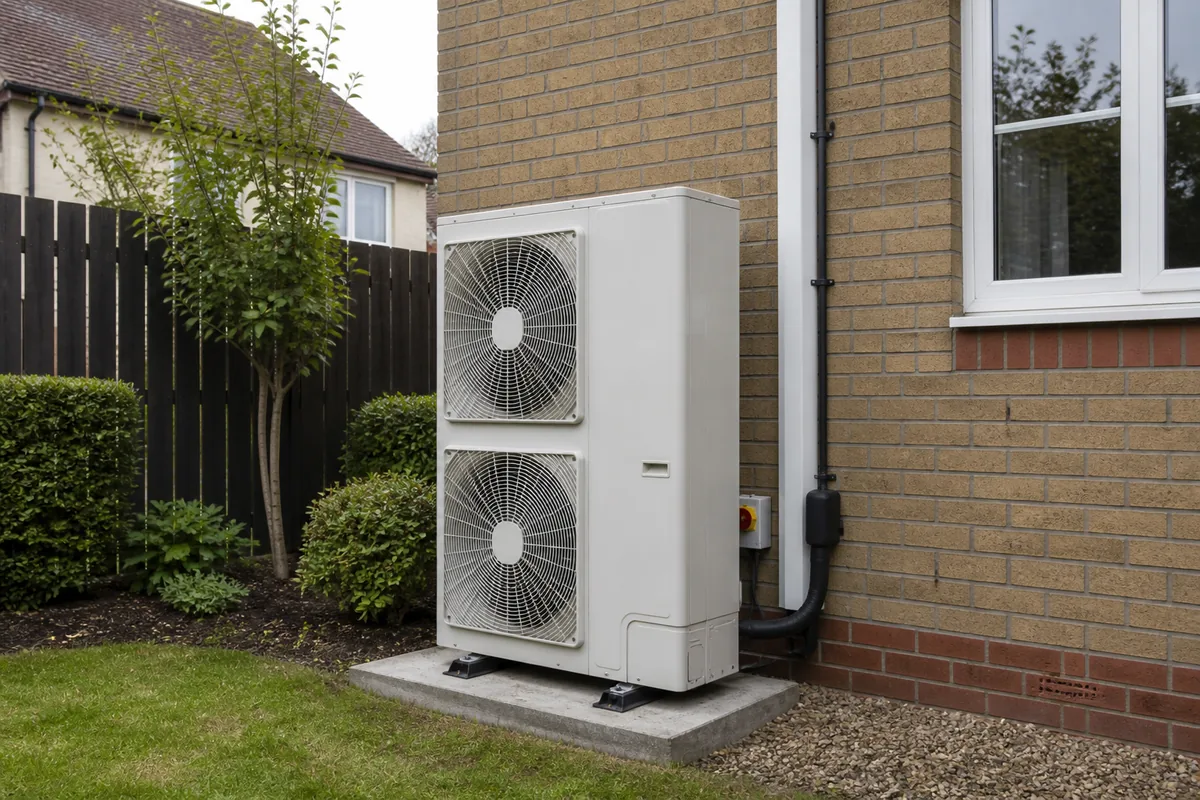
Casings that look alike and refrigerants that do not
Indoor units and outdoor units talk in a way the manufacturer has tested: refrigerant charge, coil size, expansion device and control cable. A new wall unit that uses R32 will not pair with an outdoor unit built for R410A. An R22 outdoor unit is the end of the conversation. Looking similar at a glance is not a combination. Even inside one brand, the current bedroom range often will not marry an outdoor unit from ten years ago. The combination list is the document. If your outdoor model is missing from it, no installer should be asked to make it work with a different flare or a guess at the charge. A new Daikin indoor unit on an old Mitsubishi outdoor unit is not a combination. Replace the pair, and have an F-gas certified company recover the old refrigerant. Kilowatts are not a match either. The indoor code has to be listed for that outdoor code, on the same refrigerant.
Read the outdoor data plate before you choose an indoor unit. Photos of both data plates, the indoor wall and the pipe outlet should be in front of the firm before they pick a fascia. Ask the reply to name the indoor model code, confirm the combination and the refrigerant, and price a full new pair as the alternative. If they will not show the list, treat the job as a new pair from the start. If the manufacturer no longer lists any indoor unit for your outdoor model, the outdoor unit cannot take a new indoor unit. Survey a complete new pair and recover the old system. Do not hunt a second-hand head of the same vintage as a workaround.
A tired indoor coil, the pipes and the charge
People ask for a new indoor unit because the old one is yellow, noisy or leaking. Those are often symptoms of a system at the end of its life, not a reason to keep the condenser. A leaking indoor coil means the circuit has already lost refrigerant. Putting a new coil on a tired compressor repeats the failure. If the outdoor unit is the healthy part and the indoor unit has failed, and a listed replacement head still exists, then the swap can be the right spend. Ask for that list in the quote. As a 2026 illustration, a listed indoor swap can sit well below a full pair, and an unlisted attempt costs the full pair anyway once the new head will not run.
The existing pipes have to be the right diameter and in good condition. Oil, moisture and a crushed section in a loft are reasons to renew the run while the wall is open. The new indoor unit still needs a correct drain. A new casing does not fix a condensate pipe that already overflows. Opening the circuit is F-gas work. The old refrigerant is recovered, the new indoor unit is connected, and the system is commissioned against the outdoor unit you kept. Warranty on the new indoor unit may be short, or refused, if the outdoor unit is outside the combination list. In England the outdoor unit you are keeping still has to remain a lawful installation under Planning Portal conditions if you move it while you are there.
Core buying guides
Start with these high-intent guides, then dig into the rest of the library.
Related guides
Sources and further reading
How this guide was prepared
This guide was written by the Local AC Installers Editorial Team. We compare official guidance, legislation and established consumer information, separate general information from project-specific advice, and show publication dates and sources. We do not accept installer accreditation claims at face value.