
Replace the outdoor unit on its own only when the indoor unit is healthy and the manufacturer lists that indoor model with the new outdoor model. The decision is a match, not a casing that looks similar. Different refrigerants, different generations and different brands are not a swap. Survey the data plates before anyone orders a condenser. An F-gas certified company recovers the old refrigerant and commissions the pair. If the indoor unit is not on the list, price a new pair.
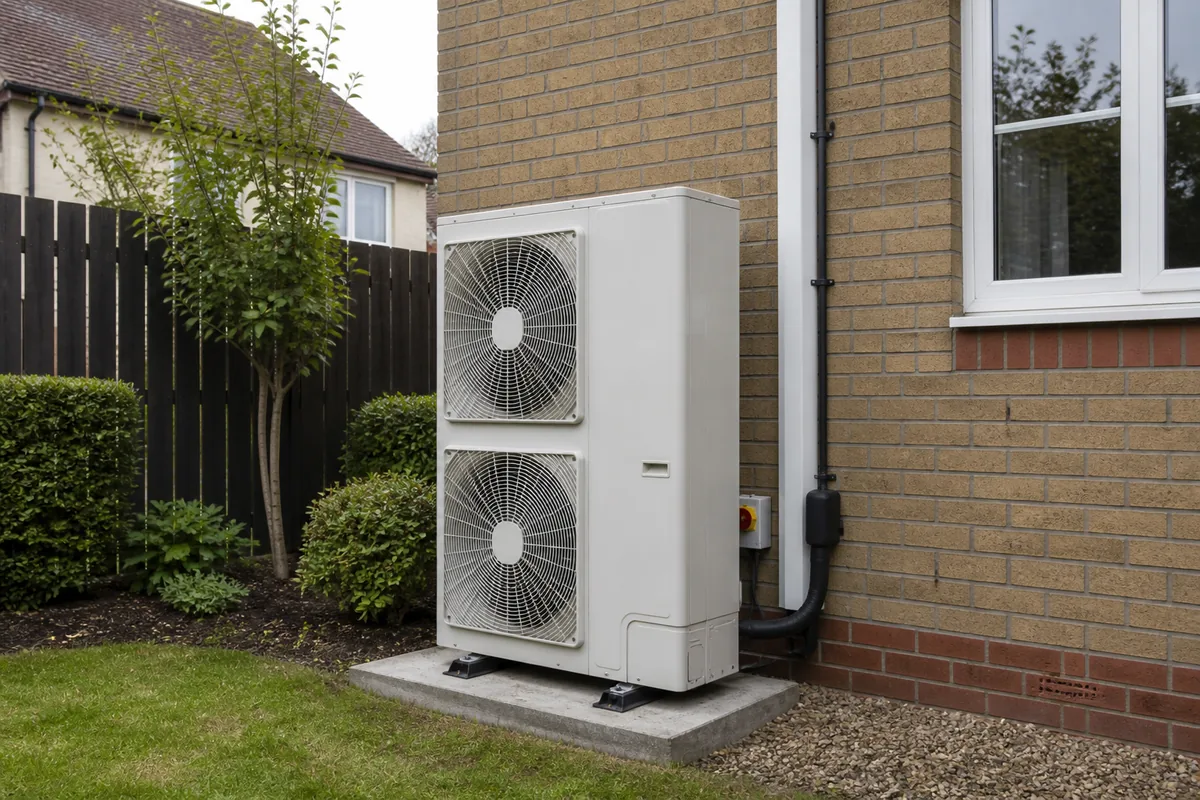
The combination list, not a similar casing
The indoor coil, the fan and the drain still have to be worth keeping. A unit that leaks, smells, or has a failed fan is not a host for a new condenser. The engineer reads both data plates and checks the combination list for the proposed outdoor code. If the list names that indoor unit, the swap can be quoted. If it does not, the conversation is over. Photograph both data plates, the outdoor location and the indoor unit's drain before anyone orders. State the refrigerant if you can read it on the plate. The reply should name the new outdoor model code, confirm the combination, and say whether brackets, electrics and pipe ends are included. If the firm suggests a new indoor code that is not on the old outdoor unit's list, that is a new pair, and the quote should say so.
Brackets, flares and the indoor unit you keep
Pipe length and height still have to suit the new model. New flares or the manufacturer's jointing practice, new insulation and a proper earth and isolator are part of a serious quote.
The warranty on a new outdoor unit may require the indoor unit to be one they still support. Ask who registers it, and what happens if the kept indoor unit fails next winter. As a 2026 illustration, an outdoor-only swap is often cheaper than a full pair when the match is real, and it stops being cheaper the moment the indoor unit has to be changed after the condenser is already on the wall. In England, replacing an outdoor unit is still an outdoor unit. A like-for-like repair on the same spot is a different conversation from a larger machine moved to a new wall.
Frequently asked questions
Can any new outdoor unit run my existing indoor unit?
No. The indoor model has to appear on the new outdoor model's combination list, on the same refrigerant. A similar kilowatt from another brand is not a match.
My outdoor unit is dead. Can I leave the indoor unit up?
Only if a listed replacement outdoor unit exists and the indoor unit is sound. If the range is obsolete, replace both and have the old refrigerant recovered.
Does the old pipework get reused?
Sometimes, if the size, length and condition suit the new outdoor unit. The survey should say so. Pinched, undersized or oil-logged pipes are a reason to renew them.
Is the same brand enough for an outdoor-only swap?
No. A current R32 outdoor unit does not pick up an older R410A indoor unit, and an R22 system is not a drop-in for anything on sale now. Those older circuits are recovered and the system is replaced as a pair.
What if the new condenser is larger than the old one?
The old brackets, the old pad and the old isolator are not automatically reusable. A condenser that needs more airflow will not sit in the cramped passage that just about held the old one. Check Planning Portal conditions on noise, size and use, especially if the new model is bigger than the one the neighbour already knows.
What happens to the refrigerant when the outdoor unit is swapped?
The circuit is opened. An F-gas certified company recovers the old refrigerant, then pressure tests, vacuums and charges, with a record. It is not a case of bolting a new box onto the old flares and hoping.
Core buying guides
Start with these high-intent guides, then dig into the rest of the library.
Related guides
Sources and further reading
How this guide was prepared
This guide was written by the Local AC Installers Editorial Team. We compare official guidance, legislation and established consumer information, separate general information from project-specific advice, and show publication dates and sources. We do not accept installer accreditation claims at face value.