
Prepare a home for hot weather by reducing solar heat before it enters, limiting heat generated indoors, ventilating when outdoor air is cooler and protecting people at higher risk. Test fans, blinds and any cooling equipment before a forecast heatwave. If air conditioning is considered, cool priority rooms efficiently and check permissions, noise, drainage and qualified installation rather than waiting for an emergency purchase.
Make a plan before temperatures peak
The Met Office reports that UK climate change is increasing the frequency and intensity of hot weather. A home that was manageable historically may now overheat for longer, especially on upper floors, behind large sun-facing windows or where night-time temperatures stay high.
Identify the hottest rooms and the people most at risk, including older people, babies and those with certain health conditions. Check current NHS and UK Health Security Agency advice when warnings are issued. Arrange support and know where a cooler room or alternative location is available.
- Check weather and heat-health alerts.
- Test blinds, fans and cooling equipment early.
- Move essential daytime activities to cooler rooms.
- Keep medicines according to their storage instructions.
Stop heat entering the home
Shade sun-facing glazing before direct sunlight reaches the room. External shading is often effective because it intercepts heat outside, but planning, lease and façade constraints may apply. Internal blinds or curtains can still help when used early and safely.
Close windows when outdoor air is hotter than indoor air if it is safe and ventilation remains adequate, then ventilate when conditions outside become cooler. Security, pollution, noise and the risk of falls must shape the strategy. Do not leave children vulnerable to unsafe window openings.
Reduce internal heat and use fans safely
Turn off unnecessary lighting, computers and appliances, and choose lower-heat cooking methods. Washing machines, tumble dryers and ovens can add heat and moisture, so shift use away from the hottest period where practical.
Fans move air and can improve comfort but do not lower room temperature. Follow current health advice because fans may be less appropriate in some very hot conditions or for certain vulnerable people. Keep cables secure, use stable equipment and never obstruct escape routes.
Consider active cooling carefully
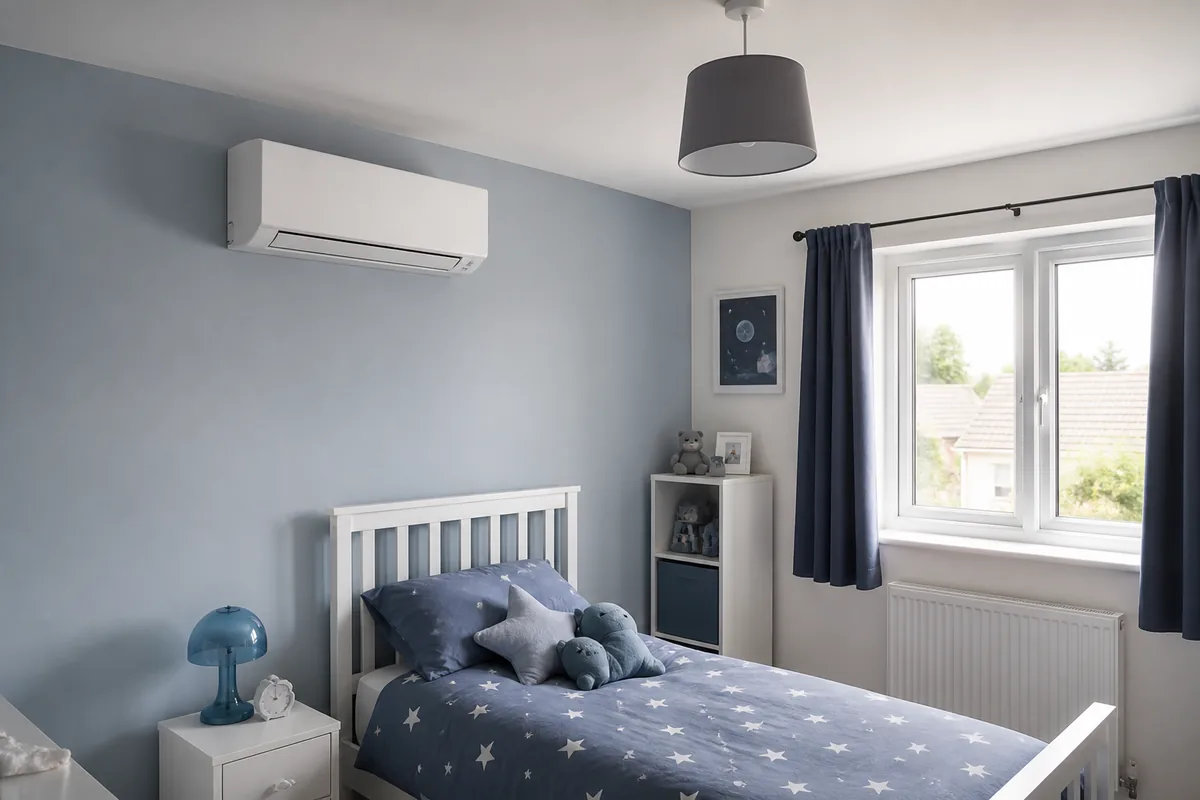
If passive measures are not enough, prioritise the rooms and times when cooling provides the greatest benefit. A survey should account for glazing, insulation, room use and outdoor-unit constraints. Portable units require a suitable exhaust route and can be noisy; poorly sealed exhaust arrangements draw warm air back inside.
Fixed systems need an agreed outdoor location, condensate drainage, electrical provision and installation by appropriately qualified businesses where regulated refrigerants are involved. Leasehold homes may require freeholder consent, and planning restrictions can apply. Keep doors and windows closed while cooling unless the system design says otherwise.
Frequently asked questions
Should windows stay open all day during a heatwave?
Not always. If outdoor air is hotter, open windows can add heat. Shading and closing windows may help during the hottest period, followed by ventilation when outdoor conditions cool, subject to safety and air-quality needs.
Do fans cool a room?
Fans mainly cool people by increasing air movement; they do not reduce the room's air temperature. Use them according to current health guidance and individual needs.
Can a leaseholder install fixed air conditioning?
Consent may be required for external equipment, penetrations or changes to common parts. Check the lease, freeholder requirements and planning position before ordering.
When should I seek medical help for heat illness?
Follow current NHS guidance. Heatstroke can be an emergency, especially if a person remains unwell after cooling measures, becomes confused, has very hot skin or loses consciousness.
Core buying guides
Start with these high-intent guides, then dig into the rest of the library.
Related guides
Sources and further reading
How this guide was prepared
This guide was written by the Local AC Installers Editorial Team. We compare official guidance, legislation and established consumer information, separate general information from project-specific advice, and show publication dates and sources. We do not accept installer accreditation claims at face value.