
An air purifier cleans the air in a room by passing it through a filter, usually HEPA, but it does not cool or heat. An air conditioner cools and heats, and its standard filter catches dust to protect the unit, but it is not designed to remove fine particles the way a HEPA purifier does. For heat, choose air conditioning. For allergens, smoke or fine dust, choose a purifier. Some homes benefit from both.
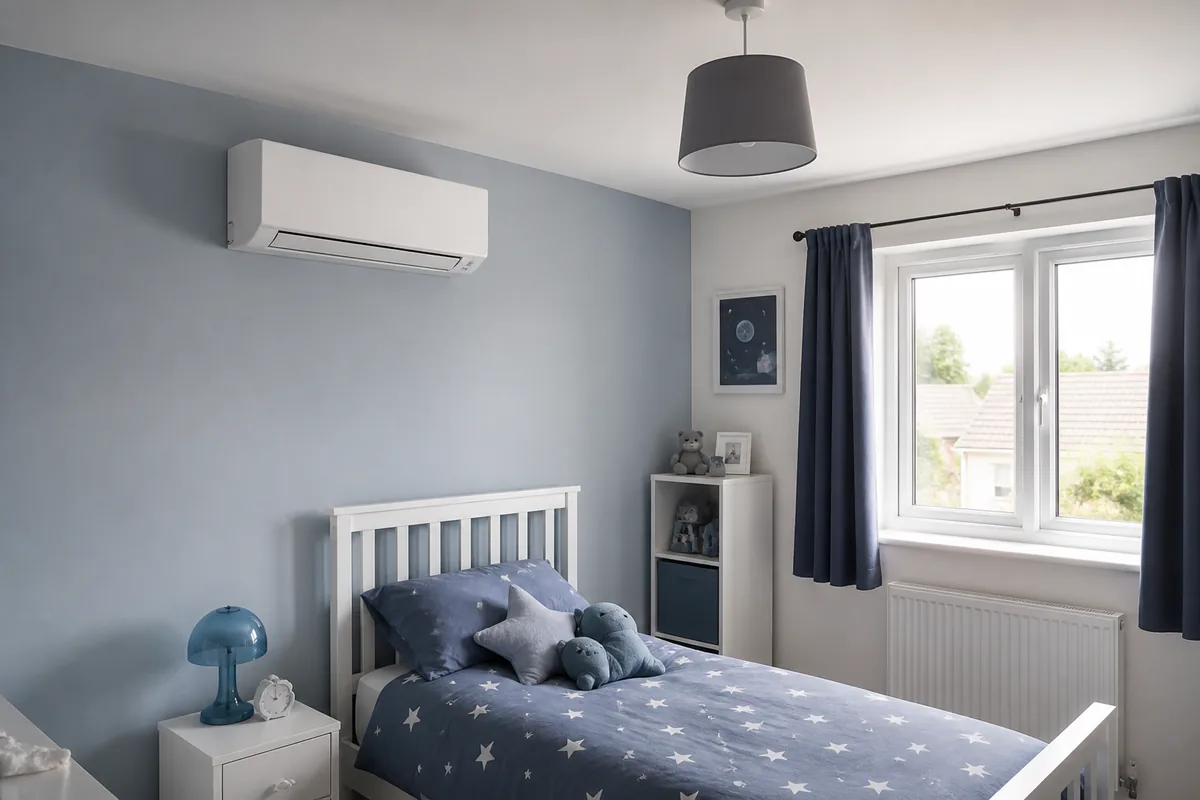
What each one does
The two appliances solve different problems, which is why the choice depends on what is actually bothering you.
| Point | Air purifier | Air conditioning |
|---|---|---|
| Cools or heats | No | Yes |
| Removes fine particles | Yes, with a HEPA filter | Limited; standard filters catch larger dust |
| Removes odours | With a carbon filter | Not reliably |
| Reduces humidity | No | Yes, while cooling |
| Fresh air | No | No; split systems recirculate room air |
| Running cost | Low | Higher, depending on use |
Allergies and hay fever
A HEPA purifier in the bedroom is the most direct way to reduce airborne pollen and dust. Air conditioning helps in a different way: it lets you keep windows shut on high-pollen days without overheating.
Clean the air conditioner's filters regularly, because a dirty filter can circulate dust rather than catch it. See our guides on air conditioning and allergies and on hay fever.
Damp, smoke and fresh air
Neither device brings in fresh air. For stuffiness or condensation, ventilation and a dehumidifier or air conditioning in dry mode are the right tools. For wildfire or bonfire smoke, a purifier with a good particle filter helps most.
Some air conditioners include ionisers, plasma or other purification features. They can help a little, but treat claims cautiously and compare with a dedicated purifier.
Choosing
If the problem is heat, buy air conditioning. If the problem is air quality and the room is comfortable, buy a purifier. If both, a split system for comfort and a purifier in the bedroom is a common pairing.
Size a purifier by its clean air delivery rate for the room, and check filter replacement costs before buying.
Frequently asked questions
Does air conditioning purify the air?
Not in the way a HEPA purifier does. Standard filters catch larger dust to protect the unit. Some models add purification features with modest benefits.
Is an air purifier or air conditioning better for allergies?
A HEPA purifier removes airborne allergens more effectively. Air conditioning helps by letting you keep windows closed on hot, high-pollen days.
Can I use an air purifier and air conditioning together?
Yes. They do different jobs and work well side by side.
Does air conditioning bring in fresh air?
No. Split systems recirculate room air. Fresh air comes from ventilation.
Core buying guides
Start with these high-intent guides, then dig into the rest of the library.
Related guides
More homes guides
Sources and further reading
How this guide was prepared
This guide was written by the Local AC Installers Editorial Team. We compare official guidance, legislation and established consumer information, separate general information from project-specific advice, and show publication dates and sources. We do not accept installer accreditation claims at face value.