
For a new single split under 3 kg of refrigerant, Great Britain bans placing equipment on the market when the F-gas has a global warming potential above 750, from 2025. R32 sits at 675, which is why it is the refrigerant on current Daikin, Mitsubishi, Samsung, Toshiba and Fujitsu domestic quotes. R410A sits far above 750, so a brand new single bedroom split quoted as R410A deserves a pause and a look at the GOV.UK table. Existing R410A systems are a servicing question, covered on the replacement guide. This page is about what a new quote should say.
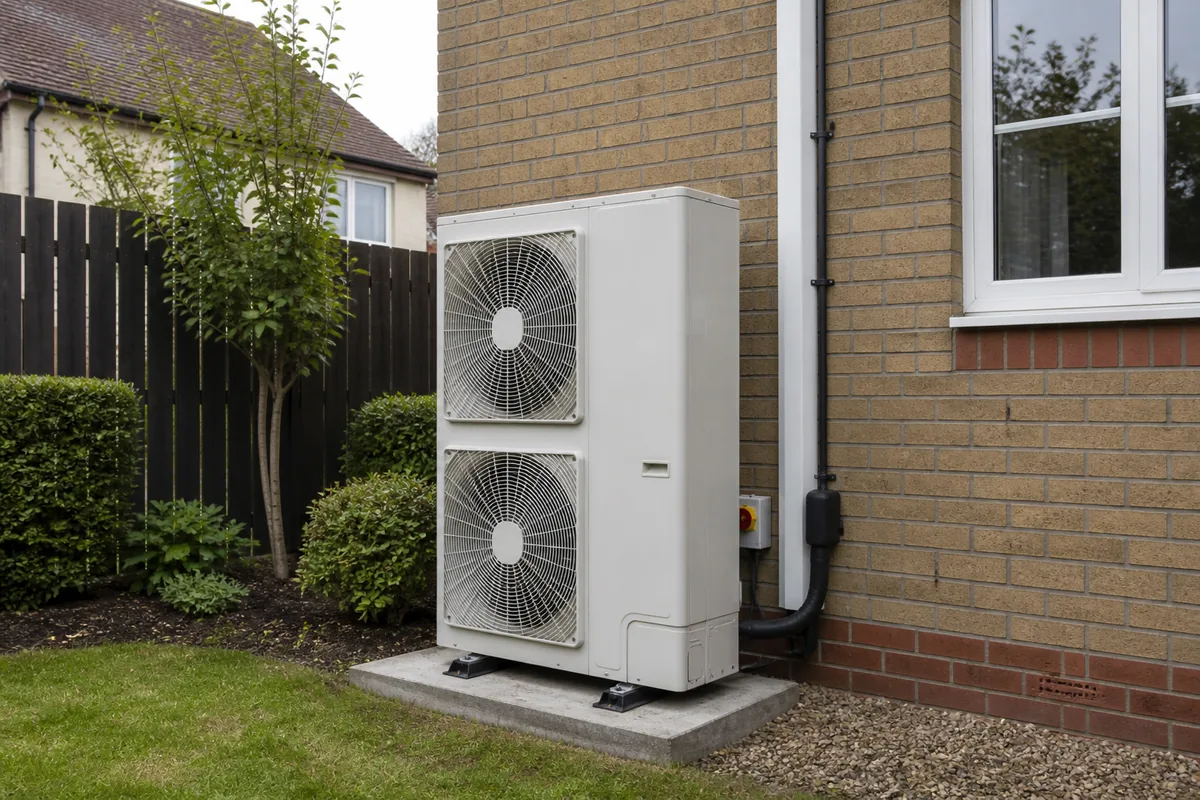
The line on GOV.UK that changes the quote
The Environment Agency and Defra publish the bans on F-gases in new products. For air conditioning, one row covers single split systems that contain less than 3 kg of refrigerant, meaning one indoor coil and a remote outdoor unit. From 2025, F-gases in that category with a GWP above 750 are banned in new products placed on the GB market. There are listed exceptions, including larger systems, some product-cooling refrigeration, air-to-water single splits, and systems on maritime craft. A normal house split is the case the row was written for.
R32 has a GWP of 675 on the product sheets manufacturers publish with their R32 ranges. That is under 750, so the ban is why the trade moved, and why a 2026 domestic quote that names R32 is the ordinary one. The R32 guide on this site is the background on the fluid itself. Stay here for the buying rule.
The same GOV.UK page bans F-gases above a GWP of 150 in movable air conditioning that a user can move between rooms. That is a stricter row. A product's declaration of conformity is what says which row the maker claims. If a portable is sold as movable equipment, the refrigerant has to satisfy the movable row. If a sealed portable split is placed on the market as a single split, the single-split row is the one to read. The PortaSplit review describes that product as sold. The legal category is the manufacturer's paperwork, which is the sentence to ask for if a retailer is vague.
What to look for on the proposal
Model codes for the indoor and outdoor unit, the refrigerant name, and the charge. A bedroom system is usually well under 3 kg. The charge in tenths of a kilogram is on the outdoor unit's data plate and on the datasheet. You are allowed to ask for it before you pay a deposit.
A quote that still says R410A for a new single split is the one to query. There are exceptions in the table. A domestic wall unit for a bedroom is unlikely to be one of them. The installer can explain the category in a sentence. If the explanation is only 'we have one left in the van', that is stock talk, and the ban is about placing products on the market.
Multi-splits and larger VRF systems can sit outside that particular under-3 kg single-split row. They have their own refrigerant choices, still leaning R32 on current domestic multi-splits. Ask for the name anyway. Efficiency, noise and a lawful outdoor position still decide the brand. The refrigerant row is the gate they walk through first.
The unit you already own
The ban described here is about new products placed on the market. A working R410A split in a house can stay, be serviced, and be repaired under the rules that apply to existing equipment and to whoever handles the gas. When it needs a major repair, price a new R32 system beside it. The replacement guide is that decision. End-of-life recovery is a separate, real obligation when the old gas comes out.
Mixing the two stories is how people scrap a healthy unit, or how they accept a new install on a fluid the quote should have retired. Age and performance decide replacement. The 2025 row decides what the replacement contains.
Leak checks, company certification and the way refrigerant is bought and recovered sit in the wider F-gas scheme. GOV.UK's certification guidance is the company check. The ban page is the product check. An installer you trust will be comfortable with both.
A short script for the survey
Ask which refrigerant, which GWP if they have it to hand, and the charge for the pipe length they are proposing. Extra metres can mean additional charge. The category question is whether the finished system is still the sort of single split the 2025 row describes.
Then get back to the room: kilowatts, noise, drain, and where the outdoor unit goes under Planning Portal guidance. The refrigerant rule is the gate. Kilowatts, noise, the drain and the outdoor position are the design.
If you are comparing two quotes, both should name R32 or another fluid that passes the row that applies. You can then compare SEER, sound and the install itself, which is the comparison that saves money and sleep.
Frequently asked questions
Is R32 allowed in a new bedroom split?
R32's published GWP is 675, under the 750 line in the post-2025 single-split ban. It is the fluid current UK domestic ranges are built on. Confirm the name on your quote.
Can I still buy an R410A single split?
A new single split under 3 kg using an F-gas above GWP 750 is in the banned category on GOV.UK from 2025, with listed exceptions. Ask the installer which exception they believe applies. A standard home is rarely it.
Do I have to rip out an old R410A system?
This ban is about new products on the market. Keep a working system serviced. When it needs replacing, the new quote should follow the current row.
Does the rule apply in Northern Ireland?
The GOV.UK ban page used here is the Great Britain placing-on-the-market guidance. Northern Ireland follows the EU F-gas system. Ask for the rule that applies to the address on the quote.
Core buying guides
Start with these high-intent guides, then dig into the rest of the library.
Related guides
More planning guides
- New-Build Estate Snagging and Air Conditioning in the UK
- Northern Ireland F-Gas Rules Are Not the GB Pages
- Neighbour Noise Complaints and Air Conditioning in the UK
- Overheating Assessment London: Part O, TM59 and Air Conditioning
- Moving House: Leave or Take the Air Conditioning?
- Can You Plug a Portable Air Conditioner Into an Extension Lead?
Sources and further reading
How this guide was prepared
This guide was written by the Local AC Installers Editorial Team. We compare official guidance, legislation and established consumer information, separate general information from project-specific advice, and show publication dates and sources. We do not accept installer accreditation claims at face value.