
A dehumidifier can stop condensation on most double glazing, but often not on single glazing. On a 0°C night in a room at 20°C, our working puts the inside of older double glazing at about 12.7°C, so it stays dry if the room is held below about 63% relative humidity, and a modern replacement window stays dry up to about 80%. Single glazing falls to about 7.5°C and gets wet above about 44%, close to the 40% lowest setting on Meaco's Arete One range. These are worked estimates from published U-values, not measurements of any window.
Why windows run with water
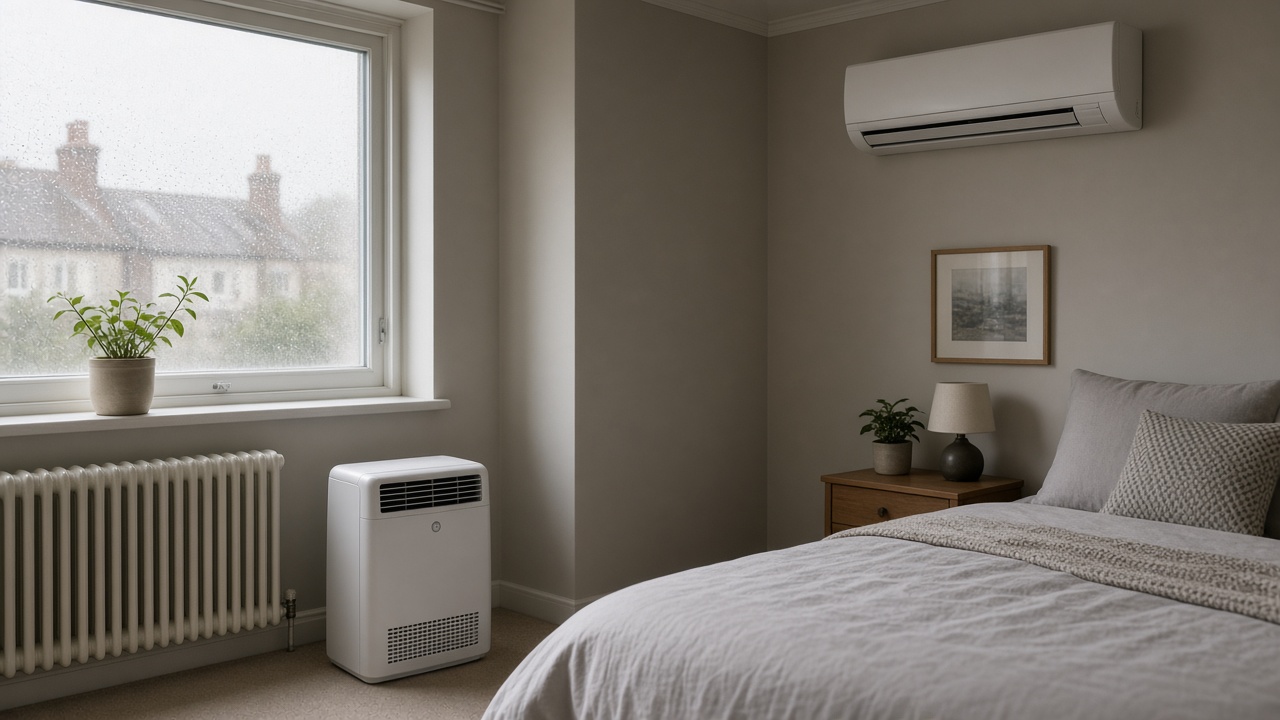
Air always holds some water vapour. Cool that air and, at a certain temperature called the dew point, it can no longer hold it all, and the excess turns to liquid on whatever is cold. The inner pane is usually the coldest surface in a heated room, so it fogs first. GOV.UK's damp and mould guidance for England describes condensation forming on colder parts of a building such as window frames, and calls it the most common form of damp.
So there are two levers. Lower the dew point by taking water out of the air, which is what a dehumidifier does. Or raise the glass temperature, which is what better glazing, secondary glazing and heating do. A dehumidifier works on the first lever only, so whether it is enough depends on how cold your glass gets.
Dew points at normal room conditions
We worked out each dew point from the Magnus-type formula the US National Weather Service publishes for saturation vapour pressure: 6.11 × 10^(7.5T ÷ (237.3 + T)) hectopascals, where T is the temperature in °C. Multiply by the relative humidity to get the actual vapour pressure, then solve the same formula backwards for the temperature at which that would be saturated. That temperature is the dew point. Any surface colder than it collects water.
Each 5 points of humidity moves the dew point by roughly 1.2 to 1.4°C. Taking a 20°C room from 70% down to 50% lowers its dew point by about 5°C, which is the margin a dehumidifier buys you.
| Room | Humidity | Dew point |
|---|---|---|
| 18°C | 50% | 7.4°C |
| 18°C | 55% | 8.8°C |
| 18°C | 60% | 10.1°C |
| 18°C | 65% | 11.3°C |
| 18°C | 70% | 12.5°C |
| 20°C | 50% | 9.3°C |
| 20°C | 55% | 10.7°C |
| 20°C | 60% | 12.0°C |
| 20°C | 65% | 13.2°C |
| 20°C | 70% | 14.4°C |
How cold the glass gets on a frosty night
The inside surface temperature of a window depends on its U-value, the rate it loses heat. A standard way to estimate it is: glass temperature = room temperature − U × 0.13 × (room temperature − outside temperature). The 0.13 m²K/W is the internal surface resistance for a window that BRE's BR 443 conventions take from BS EN ISO 6946.
For U-values we used the defaults in SAP 10.2, the government's energy rating method, which BRE publishes: 4.8 W/m²K for a single-glazed window in a wood or PVC-U frame, and 2.8 for air-filled double glazing with a 12 mm gap, typical of older uncoated units. For a modern window we used 1.4 W/m²K, the most a replacement window in an existing home in England may lose under Approved Document L. We took a frosty night at 0°C, colder than the 4.3°C UK average for January in SAP's climate tables.
Two cautions. These are whole-window U-values, so the middle of the glass is a little warmer than the figure and the edges and frame are colder, which is why condensation often starts along the bottom of the pane. And glass behind closed curtains or blinds runs colder, because less room heat reaches it.
| Window | U-value | Glass | Wet above |
|---|---|---|---|
| Single glazed | 4.8 W/m²K | 7.5°C | 44% |
| Older double glazed | 2.8 W/m²K | 12.7°C | 63% |
| Modern replacement | 1.4 W/m²K | 16.4°C | 80% |
What humidity the dehumidifier has to hold
Modern double glazing is easy. At about 80% in a 20°C room, almost any dehumidifier set to 50 to 60% keeps it dry. If it still runs with water, the humidity in the room is very high, so check the reading.
Older double glazing needs the room held below about 63% at 20°C, or 66% at 18°C. That is a normal target for a dehumidifier with a humidistat. On a harder night at −5°C the limit drops to about 56%, so set it a little lower in a cold snap.
Single glazing is where a dehumidifier struggles. The glass reaches about 7.5°C on a 0°C night, so the room has to stay below about 44% at 20°C, or 48% at 18°C, and below about 36% at −5°C. Meaco lists the humidistat on its Arete One range as adjustable from 40 to 70%, so the coldest nights are beyond what it can be set to. Expect less condensation, not none, and wipe the sill in the morning.
Bedrooms are the hard case. Breathing adds moisture all night with the door shut, and the heating often goes down, which cools the glass further. Run the dehumidifier in that room, with the door closed, rather than on the landing.
What a dehumidifier cannot fix
A dehumidifier treats the air in one room. It does not remove moisture at source, and it does not warm the glass. GOV.UK's damp and mould guidance puts ventilation first: extractor fans in kitchens and bathrooms that work and are used. If those fans are missing, weak or switched off, steam from showers and cooking ends up on the bedroom windows, and a dehumidifier is mopping up after it.
Trickle vents matter as well. GOV.UK's guidance for landlords asks whether vents are kept open and free from blockages, and suggests humidity-controlled extractor fans that switch on by themselves.
For single glazing, the lasting fix is a warmer pane. Approved Document L's 2026 edition, for windows that must keep their character, points to low-emissivity secondary glazing over single glazing. Persistent mould, a wet wall or water coming in from outside needs a repair, not a bigger machine. Our guide on dehumidifier or air conditioning for damp covers those wider causes.
Which type and size for a cold room
Ignore the litres in the name. The figure in a model's name is not what it removes from a cool bedroom: Meaco's own table for the MeacoDry Arete One 20L gives 8.5 litres a day at 20°C and 60% and 3.4 litres at 10°C and 60%, about a sixth of the 20 in its name. Compare models on the cool figure, and check the operating range: Meaco rates the Arete range from 5°C.
A desiccant machine holds up better in the cold. The Meaco DD8L Pro, rated from 1°C, removes 7.97 litres a day at 20°C and 60% and 6.89 litres at 10°C on its top fan speed, but draws about 630 W there against 180 W for the compressor model. On Meaco's figures for these two models at 10°C and 60%, that is about 33p a litre for the compressor model and 58p for the desiccant one at the Ofgem cap of 26.32p per kWh. Its heat goes into the room, which warms the glass slightly. That is two models from one maker, not a rule for every machine.
In practice: a heated bedroom or living room suits a compressor model. A room that drops towards 5°C, such as an unheated box room or a conservatory, suits a desiccant one. Our compressor vs desiccant guide and dehumidifier running cost guide go into both in more detail. We have not tested any of these products.
| Model | Type | At 20°C | At 10°C |
|---|---|---|---|
| MeacoDry Arete One 20L | Compressor | 8.5 L (216 W) | 3.4 L (180 W) |
| Meaco DD8L Pro | Desiccant, top speed | 7.97 L (623 W) | 6.89 L (630 W) |
A simple routine that works
Set the humidistat from the window you have: about 55% for older double glazing, 60% is plenty for modern units, and the lowest setting for single glazing on frosty nights. Close the door and keep the machine away from the curtains so air reaches the glass. Leave trickle vents open, run the bathroom and kitchen fans through and after steam, and dry washing with the dehumidifier in a closed room rather than on a bedroom radiator. If the glass is dry in the morning but the tank fills fast, the dehumidifier is doing the work ventilation should be doing, so fix the fans as well.
Dehumidifiers by the numbers
Dehumidifiers are sold on the litres they remove at 30°C and 80% humidity, which no UK room reaches in winter. Meaco also publishes figures for cooler conditions, which is why these are the ones we can compare.
Flat or small house
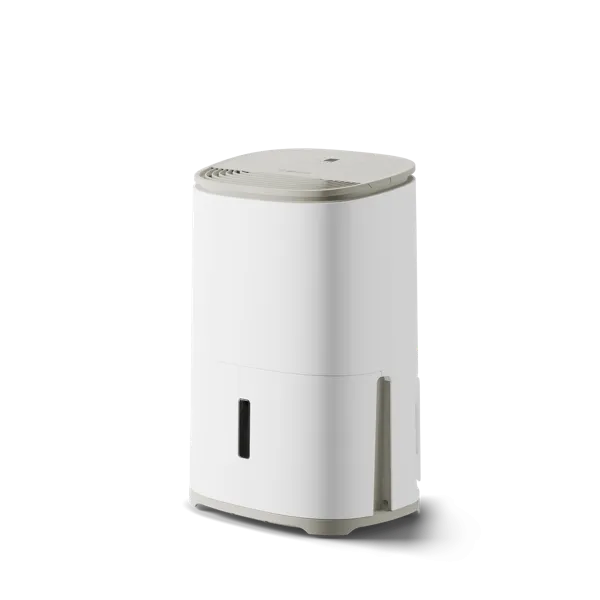
MeacoDry Arete One 12L
7.5 litres a day at 27°C and 60%, 151 W, from 35 dB
About 4p an hour while running. The quietest of the three, with a 2.5 litre tank.
Check price on AmazonPhoto: Meaco
Family house or laundry
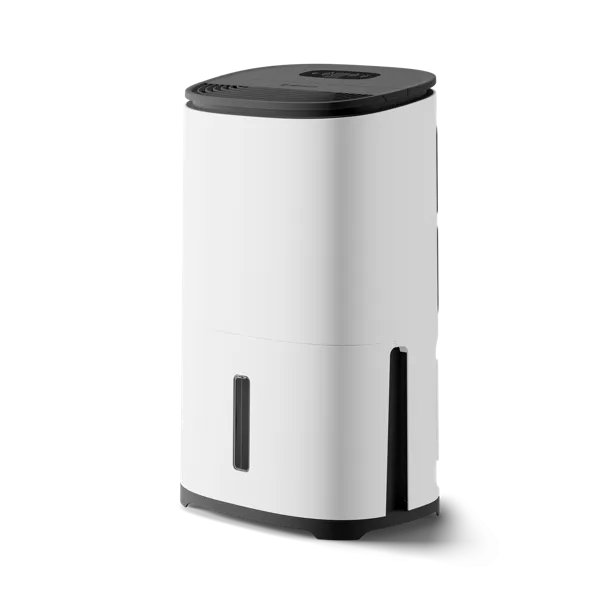
MeacoDry Arete One 20L
12 litres a day at 27°C and 60%, 216 W, from 38 dB
About 6p an hour while running. Rated by Meaco for homes of up to four bedrooms.
Check price on AmazonPhoto: Meaco
Garage, boat or cold room
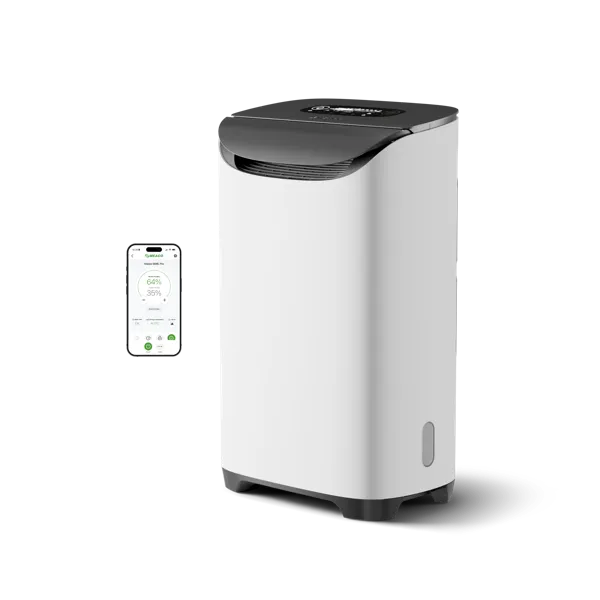
Meaco DD8L Pro
up to 7.97 litres a day at 20°C and 60%, 623 W, from 40 dB
About 16p an hour while running. A desiccant model rated down to 1°C, where a compressor machine stops working.
Check price on AmazonPhoto: Meaco
Comparing another model? Ask for its extraction and its wattage in cooler conditions, then divide: fewer watts per litre is better.
Frequently asked questions
Does a dehumidifier stop condensation on windows?
On most double glazing, yes, if it holds the room below about 63% humidity at 20°C on a 0°C night. On single glazing it reduces condensation but may not stop it, because the glass gets cold enough to need about 44% or lower.
What humidity should I set to stop window condensation?
Around 55% suits older double glazing and 60% is plenty for modern units in a 20°C room. Single glazing needs the lowest setting your machine allows on frosty nights.
Why are my windows wet even with a dehumidifier running?
The glass is colder than the room's dew point. Check the humidity reading near the window, close the door, keep curtains off the glass, and fix extract fans and trickle vents so less moisture reaches the room.
Is a compressor or desiccant dehumidifier better for window condensation?
A compressor model in a heated room. A desiccant model if the room gets near 5°C, because it keeps working in the cold and adds heat to the room.
Where should I put a dehumidifier to stop window condensation?
In the room with the wet windows, usually the bedroom, with the door shut. Keep it clear of curtains so air can move across the glass.
Core buying guides
Start with these high-intent guides, then dig into the rest of the library.
Related guides
- Wardrobe Dehumidifier UK: What Works in a Damp Wardrobe, on Makers' Figures
- Dehumidifier or air conditioning for a damp UK room?
- Compressor vs Desiccant Dehumidifier: Which One for Which Room
- Best Dehumidifiers UK: 54 Compared, Including for Bedrooms, Bathrooms and Mould
- How Much Does a Dehumidifier Cost to Run? UK Cost per Hour, Day and Month
More homes guides
- Dehumidifier to Dry Plaster: How Much Water a Room Holds and How Many Days
- Dehumidifier Hire UK: Rates From 9 Hire Firms, Per Day and Per Week
- Dehumidifier Bags and Moisture Absorbers vs an Electric Dehumidifier
- Ururu Sarara or Daikin Perfera?
- Dental Practice Air Conditioning in the UK
- Dining Room Air Conditioning in the UK
Sources and further reading
- US National Weather Service: vapor pressure, saturation and actual vapor pressure formula (checked 26 Nov 2026)
- BRE: SAP 10.2 specification, Table 6e default window U-values and Table U1 mean external temperature (checked 26 Nov 2026)
- BRE: BR 443 Conventions for U-value calculations, 2019 edition, surface resistance (hosted by CIBSE, checked 26 Nov 2026)
- GOV.UK: Approved Document L, Volume 1 Dwellings, 2021 edition incorporating 2023 amendments, Table 4.2 (checked 26 Nov 2026)
- GOV.UK: Approved Document L, Volume 1 Dwellings, 2026 edition, Table 3.2 and paragraph 3.11 (checked 26 Nov 2026)
- GOV.UK: Understanding and addressing the health risks of damp and mould in the home (updated 1 April 2026, checked 26 Nov 2026)
- Meaco: MeacoDry Arete One 20L, specification and water removal table (checked 26 Nov 2026)
- Meaco: DD8L Pro desiccant dehumidifier, specification and water removal table (checked 26 Nov 2026)
- Ofgem: energy price cap, 1 October to 31 December 2026 (checked 26 Nov 2026)
How this guide was prepared
This guide was written by the Local AC Installers Editorial Team. We compare official guidance, legislation and established consumer information, separate general information from project-specific advice, and show publication dates and sources. We do not accept installer accreditation claims at face value.